
Integrated Clinical
Somatics
Integrated Clinical Somatics helps people release chronic tension, restore movement options, and build long-term skills for self-management,
This Is For You If You:
feel muscles that are “always on”
have tried stretching without lasting change
want to regain control over tension
want practical tools you can use daily
prefer a learning-based approach rather than passive therapy
About Integrated Clinical Somatics
Integrated Clinical Somatics with Karyn Clark teaches you how to recognise and change tension patterns through greater awareness, gentle movement, and practical self-management skills.
Like learning any skill, such as sport or music, movement habits are learned over time. Integrated Clinical Somatics helps you unlearn patterns that are no longer helpful and rediscover greater ease. These patterns are not harmful in themselves. But when they become habituated and reduce variety in how we move, they can contribute to ongoing tension, restriction, and sometimes pain. When we repeatedly move, sit, or stand in the same way, our body and brain adapt to those patterns. Without realising it, we may begin to hold habitual tension or limit our movement options.
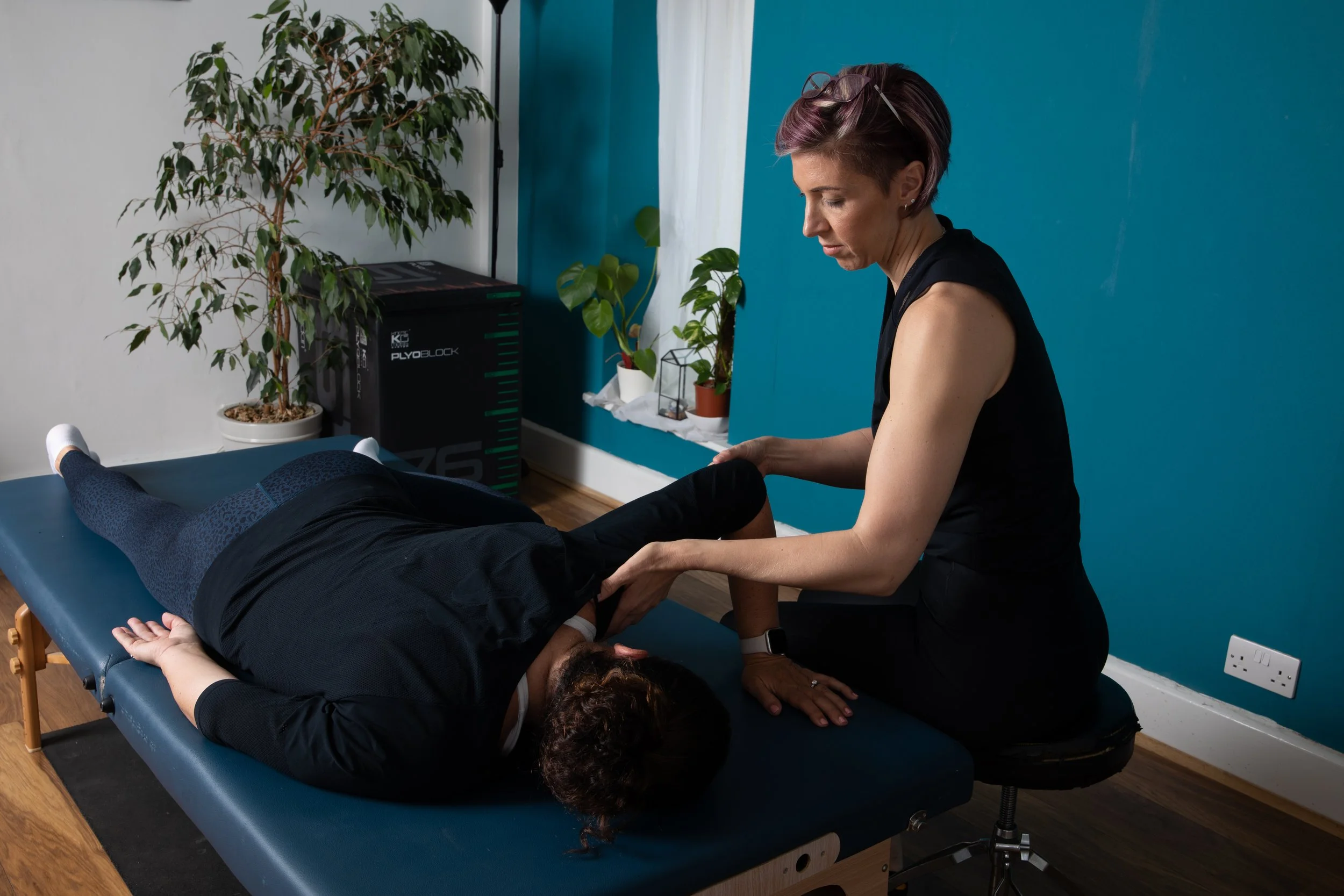
Integrated Clinical Somatics is taught in 1:1 sessions with ‘hands-on’ work with the practitioner, focusing on the client’s patterns of restricted movement. By helping the client to reconnect and sense themselves they can then learn how to take back conscious control of their muscles, releasing habitually contracted muscles, enhancing mobility and reducing associated pain.
This approach may be helpful if you experience:
Joint and muscle pain
Neck, shoulder or back pain
Sciatic-type symptoms
Hip, knee or foot discomfort
Repetitive strain issues
Headaches or jaw tension
Persistent pain following injury or trauma
Ongoing physical stress and tension
Restricted movement or stiffness
How Does Integrated Clinical Somatics Work?
Chronic muscular tension can develop following accidents, injuries, surgeries, or long periods of physical or emotional stress.
Muscles may learn to remain habitually contracted due to repeated protective signals from the nervous system. Over time, this can feel like stiffness, restriction, or tightness that doesn’t respond to stretching alone.
Integrated Clinical Somatic Education works by helping you:
Reconnect with areas of reduced awareness
Learn how to voluntarily contract and slowly release muscles
Improve communication between your brain and body
Regain conscious control over habitual patterns
Reduce unnecessary muscular tension
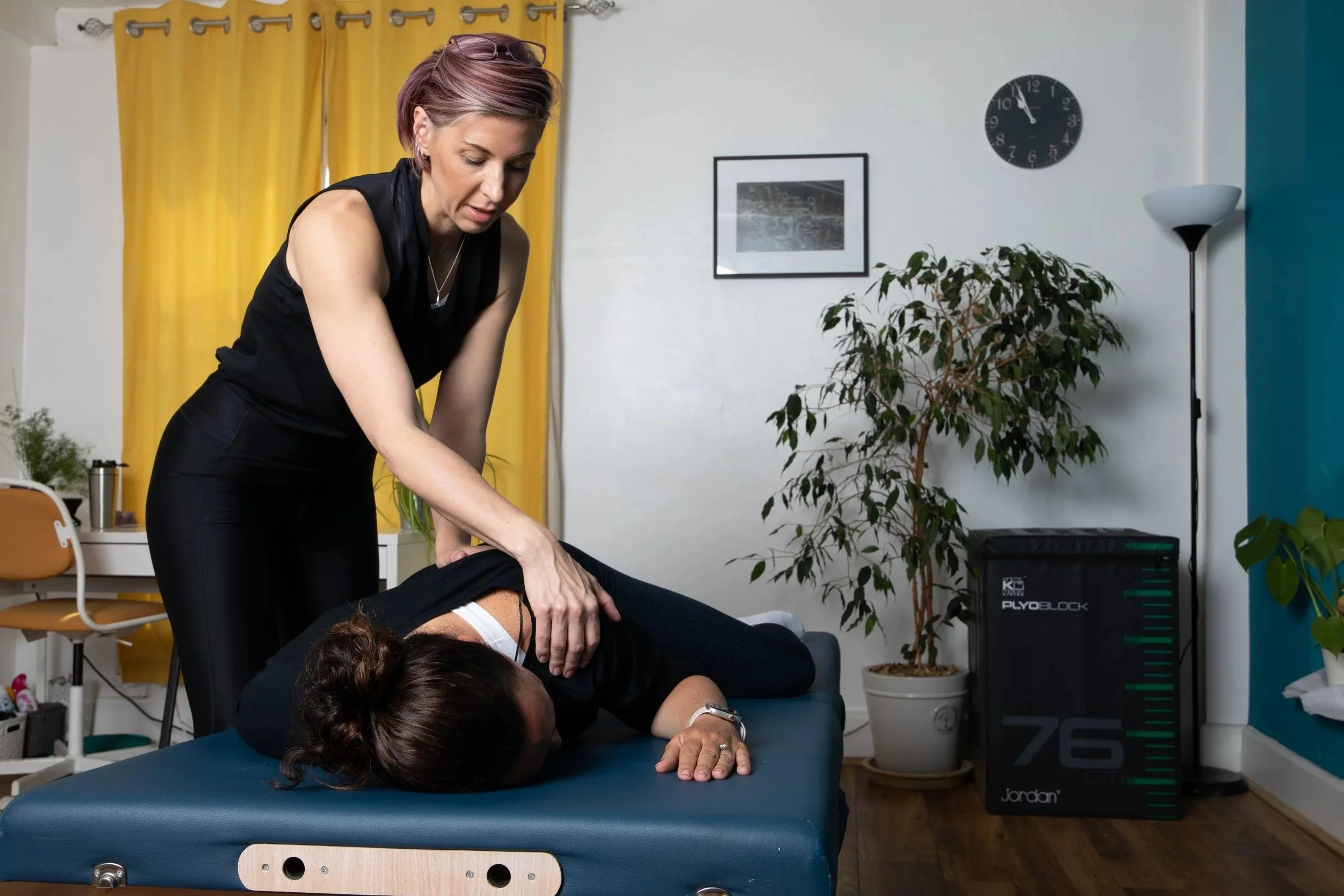
Although some 1:1 sessions may include gentle hands-on guidance to enhance awareness, this is not a passive therapy. The focus is always on helping you learn and experience the movement for yourself.
Integrated Clinical Somatics works particularly well for people living with persistent pain who want to develop a greater understanding and independence in managing their symptoms.
What Makes It Different?
Integrated Clinical Somatics is not a treatment that is “done to you”. It is an educational process in which you learn how to reduce chronic muscular tension yourself.
While many therapies focus on a specific area of pain or symptom, Clinical Somatics takes a broader view. It recognises that physical tension is often influenced by movement habits, stress, past experiences, and how the nervous system has adapted over time.
The aim is not simply short-term relief, but helping you develop skills you can continue using long-term.
Benefits of Integrated Clinical Somatics include:
Long-term pain relief from many common muscle pain conditions.
Lifelong skills that teach you how to regain voluntary control of habitually tight muscles
Greater physical independence and mastery of your movement.
Increased flexibility, energy, coordination, balance and proprioception.
Online and In-Person Learning
Integrated Clinical Somatics can be taught effectively online as well as in person.
Options include:
1:1 sessions (online or in clinic)
Small group classes
Guided downloadable sessions
Structured online programs
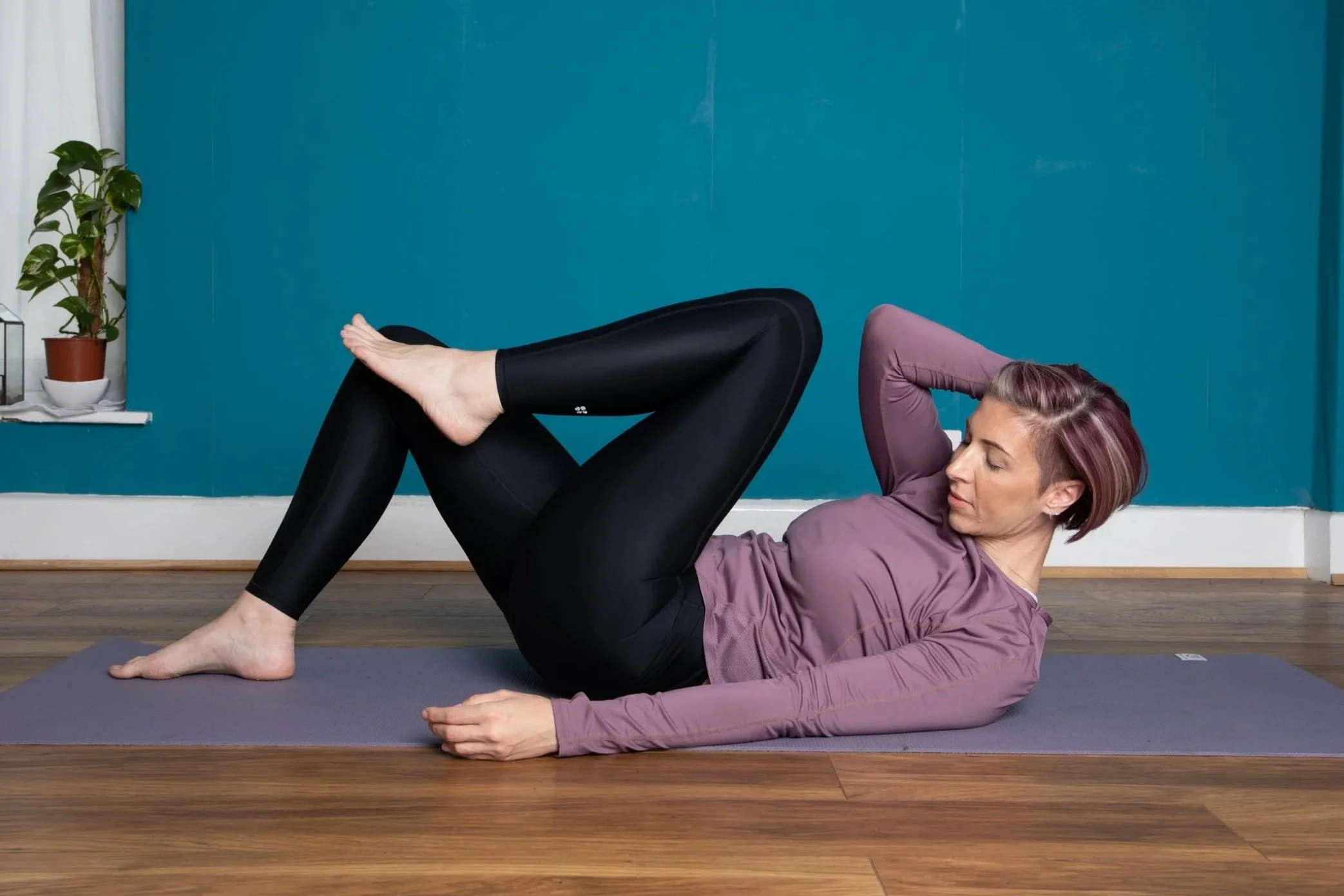
For many people, learning these movements at home and practising regularly supports lasting change.
The Origins of Clinical Somatics
Clinical Somatics is based on the work of philosopher and movement educator Thomas Hanna, who developed what is now known as Hanna Somatics, a foundation for this work. Hanna introduced the concept of pandiculation, a gentle, voluntary contraction and release process designed to retrain chronically tight muscles through the nervous system rather than forcing them to stretch.
My approach builds on this foundation and integrates contemporary pain science and a whole-person understanding of persistent pain.